Why Proper Calibration of Safety Systems (ADAS) Matters After a Collision

December 8, 2025

Modern vehicles rely on advanced driver assistance systems (ADAS) to keep you safe.

After a collision, recalibration isn’t optional

—it’s essential.

Today’s vehicles do far more than drive—they think, react, and even help prevent crashes. Features like lane-keep assist, adaptive cruise control, and blind-spot detection all depend on Advanced Driver Assistance Systems (ADAS). But after a collision—even a minor one—these systems can be thrown out of alignment. At VICE, we make sure recalibration isn’t overlooked, because when safety systems aren’t calibrated correctly, the consequences can be serious.

What Is ADAS Calibration?

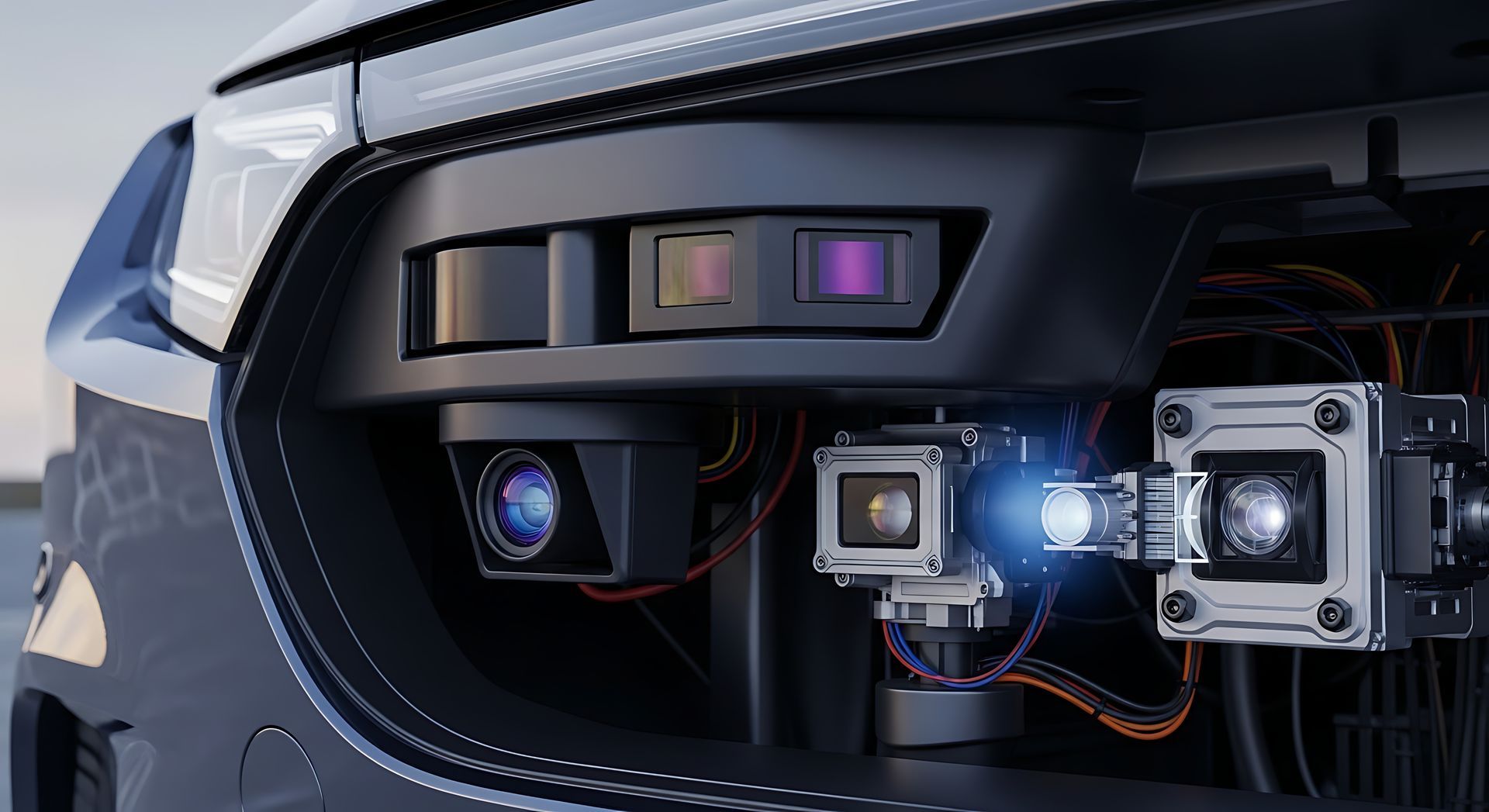
ADAS calibration is the process of realigning cameras, sensors, and radar units that control your vehicle’s safety features. These sensors detect lane markings, other cars, pedestrians, and road signs.

Even slight shifts caused by:

  • Fender-benders
  • Windshield replacements
  • Wheel alignments
  • Or body repairs

…can throw those sensors off. Without proper calibration, your safety systems may give false warnings—or fail to activate when you need them most.

Why Calibration Matters

After a Collision

Collisions don’t always leave visible damage. A small impact can still knock cameras or radar sensors out of position by a few millimeters—enough to cause misreads.

If your vehicle isn’t recalibrated:

  • Lane-assist may steer incorrectly.
  • Collision-avoidance might not detect obstacles.
  • Braking systems could engage too late—or too early.

That’s why recalibration isn’t just about fixing your car—it’s about restoring its ability to protect you.

Why Calibration Matters

After a Collision

Collisions don’t always leave visible damage. A small impact can still knock cameras or radar sensors out of position by a few millimeters—enough to cause misreads.

If your vehicle isn’t recalibrated:

  • Lane-assist may steer incorrectly.
  • Collision-avoidance might not detect obstacles.
  • Braking systems could engage too late—or too early.

That’s why recalibration isn’t just about fixing your car—it’s about restoring its ability to protect you.

How VICE Handles ADAS Calibration

At VICE, we coordinate the entire process to ensure accurate results and documented proof for attorneys and clients.

Here’s how:

  • Partner Shops with Certified Equipment: We only work with repair centers that use manufacturer-approved ADAS calibration tools.
  • OEM-Level Standards: Calibration follows exact factory specifications to maintain your vehicle’s original safety design.
  • Pre- and Post-Scans: We verify system accuracy before and after every repair.
  • Transparent Reporting: Attorneys receive documentation confirming all calibrations were completed properly.

This attention to detail ensures both safety and legal accuracy—so your vehicle and case are fully protected.

Common Systems That Require Calibration

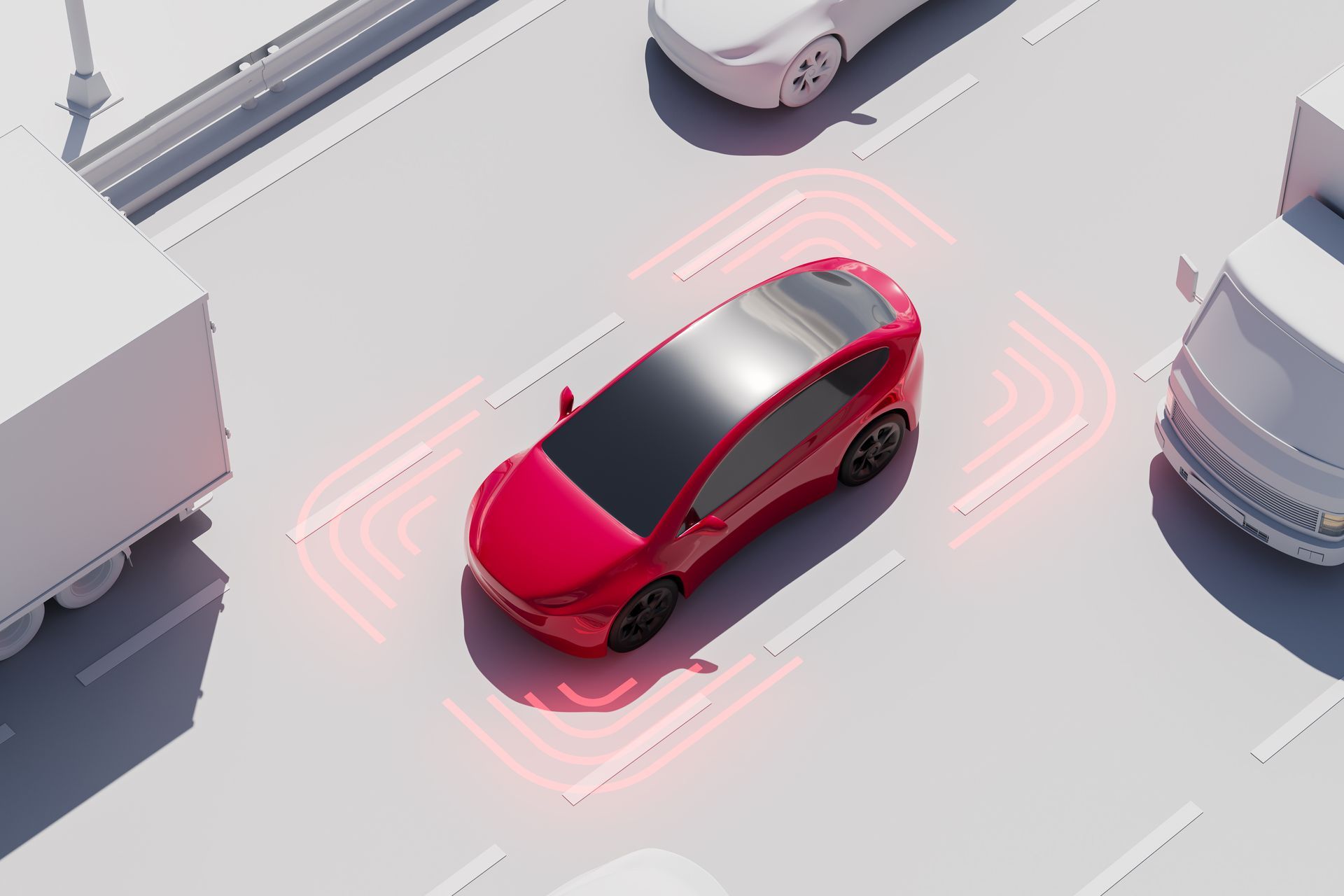
Not every car system needs recalibration, but most modern vehicles include these components:

  • Forward-collision warning and automatic braking
  • Lane-departure and lane-keep assist
  • Blind-spot detection
  • Adaptive cruise control
  • Rear cross-traffic alerts
  • Parking sensors and 360-degree cameras

Each of these systems relies on precision sensors—and every repair that affects them must be checked.
Why Calibration Costs Are Worth It

Some drivers hesitate when they see calibration listed on their repair estimate. However, skipping this step can void warranties, create liability issues, and put your safety at risk. For attorneys handling personal injury cases, proof of completed ADAS calibration supports fair settlement values by showing the vehicle was fully restored to its pre-accident condition.


VICE’s Commitment to Safety and Accuracy

At VICE, we go beyond standard repair coordination. Our oversight guarantees every calibration meets strict safety and manufacturer guidelines. We manage communication with insurance companies, ensuring proper coverage and avoiding cost-cutting shortcuts that compromise your protection. Your vehicle’s technology deserves expert care—and your safety depends on it.

Why Calibration Costs Are Worth It

Some drivers hesitate when they see calibration listed on their repair estimate. However, skipping this step can void warranties, create liability issues, and put your safety at risk. For attorneys handling personal injury cases, proof of completed ADAS calibration supports fair settlement values by showing the vehicle was fully restored to its pre-accident condition.


VICE’s Commitment to Safety and Accuracy

At VICE, we go beyond standard repair coordination. Our oversight guarantees every calibration meets strict safety and manufacturer guidelines. We manage communication with insurance companies, ensuring proper coverage and avoiding cost-cutting shortcuts that compromise your protection. Your vehicle’s technology deserves expert care—and your safety depends on it.

In the age of advanced technology, collision repairs aren’t just about replacing panels—they’re about restoring precision. Proper ADAS calibration ensures your car’s safety systems work exactly as designed. At VICE, we make certain that happens every time. Attorneys gain verified documentation, clients gain peace of mind, and everyone gains confidence knowing their safety systems are calibrated for real-world protection.


Know someone whose vehicle has modern safety features? Share this blog to remind them that proper ADAS calibration after a collision can make all the difference.